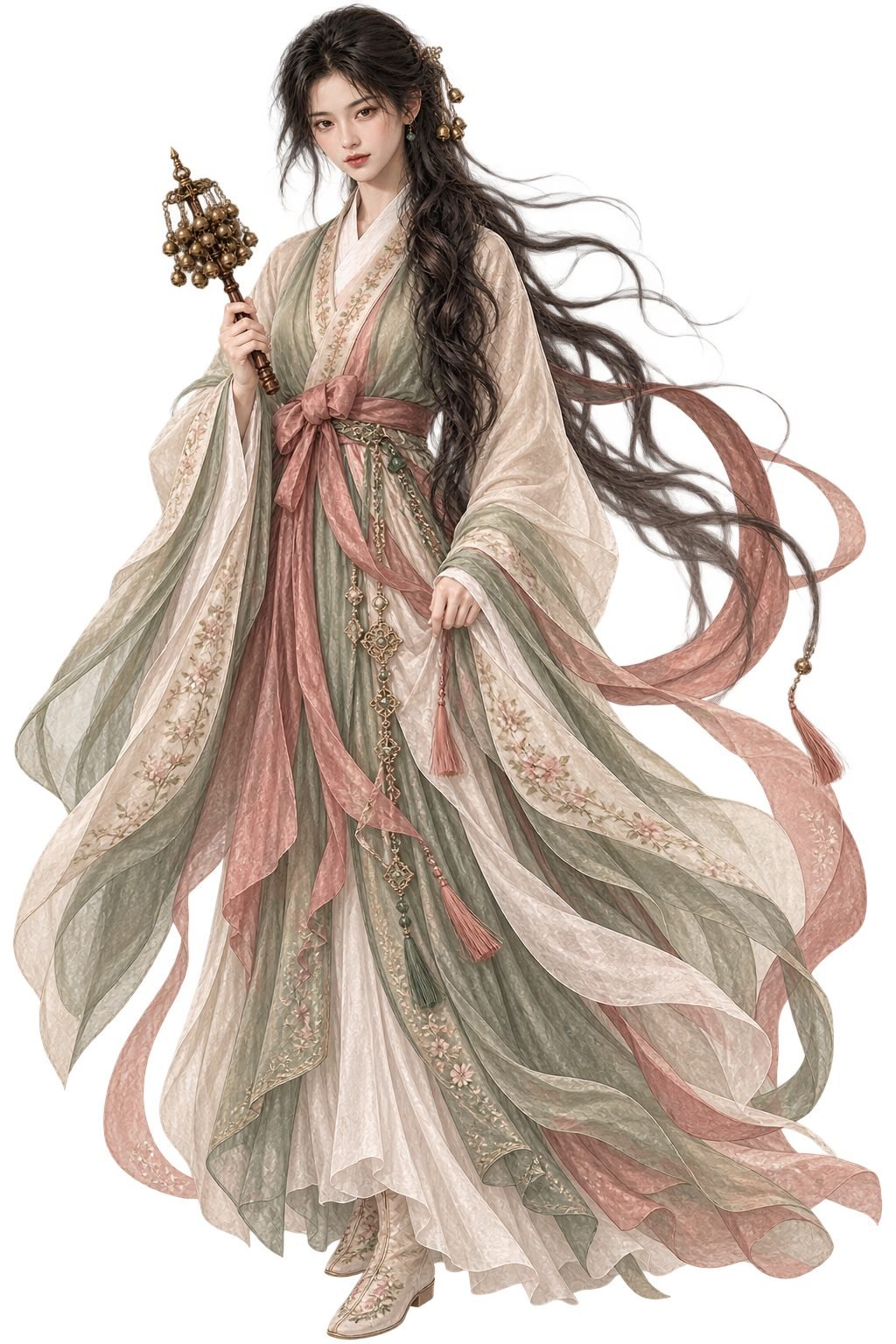
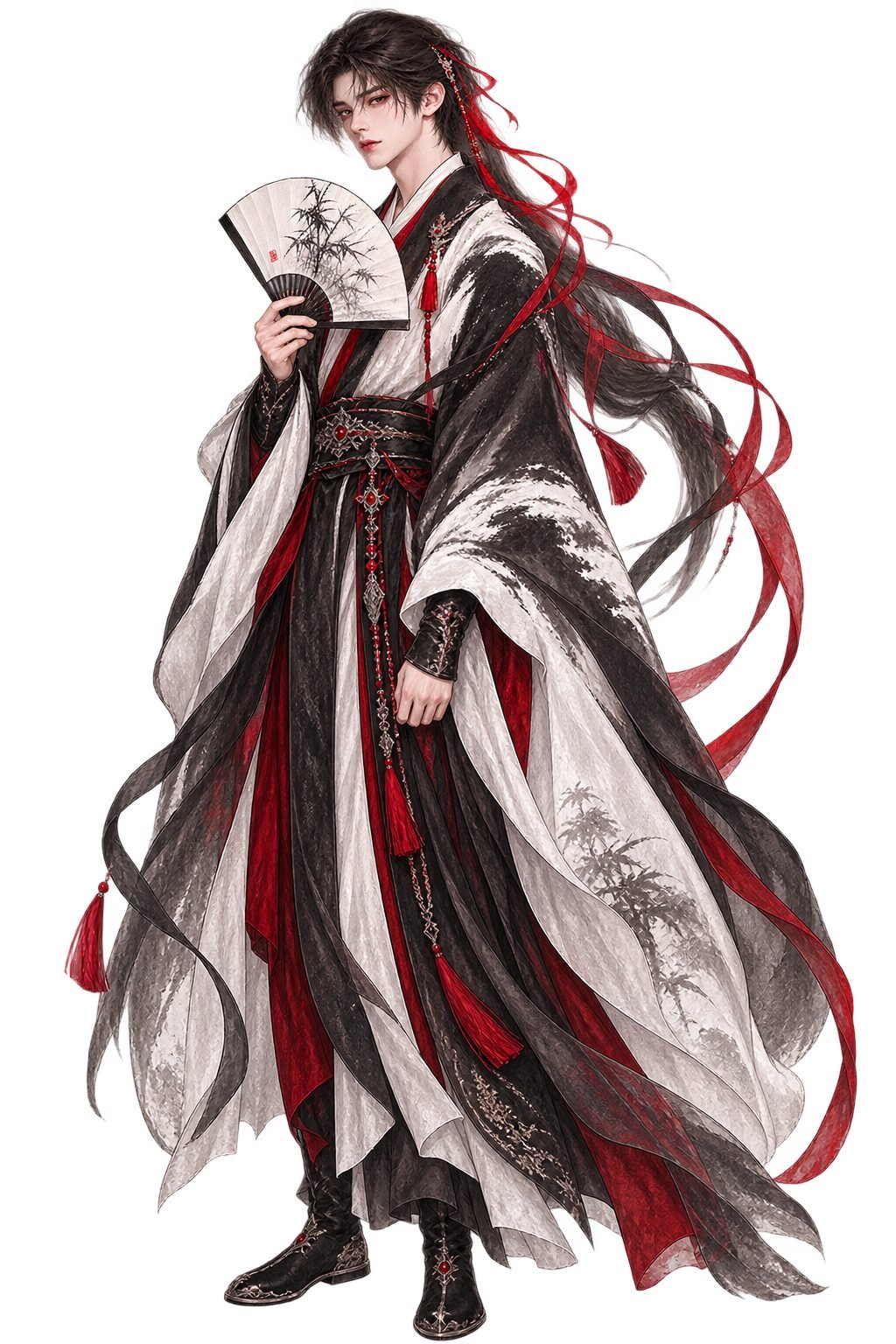

Choose your sage
Which sage will give verdict for you?
You can change your mind any time.

{{ readerName }}
{{ hourSlotLine }}
{{ lateHead }}
{{ lateBody }}

{{ readerName }}
{{ qualHead }}
{{ qualNote }}
{{ grp.title }}
{{ readerName }}
{{ pastHead }}
{{ pastNote }}
·
The premium seat
{{ premHead }}
{{ premBody }}
{{ pk.n }}
{{ pk.t }}
The seat is not open yet
{{ premSoon }}
Your account
{{ acctHead }}
{{ rankName }}
{{ tierTitleShort }}
What {{ readerName }} calls you
{{ preferredNote }}
Your full name
Your chart
{{ solarNote }}
{{ acctChartNote }}
Account
How you sign in. Neither sage ever uses this.
Change your password
{{ pwMsg }}
Choosing the day
{{ luckyHead }}
{{ luckyNote }}
{{ ld.date }}
{{ ld.weekday }}
{{ ld.note }}
{{ ld.tag }}
{{ luckyFoot }}
Deep analysis
{{ deepHead }}
{{ deepNote }}
{{ dl.n }}
{{ dl.t }}
Not open yet
{{ deepSoon }}
{{ deepPrice }}


{{ yearLabel }}
{{ thisYear.head }}
{{ ty.k }}
{{ ty.text }}
Good years and watch out years
{{ goodYearsHead }}
{{ goodYearsSub }}
{{ yr.year }}
{{ yr.note }}
{{ yr.tagLabel }}
{{ topicLine }}
{{ topicNote }}
{{ verdictOutLabel }}
{{ askedLine }}
{{ verdict.answer }}
You and {{ gung.name }}
{{ gung.pairType.name }}
{{ gung.pairType.line }}
{{ gung.pairType.note }}
{{ gung.pairType.tie }}
{{ gung.score }}
/100
{{ gung.tag }}
{{ gung.head }}
{{ gung.body }}
{{ gr.label }}
{{ gr.text }}
{{ missingPre }}{{ missingEl }}{{ missingPost }}
{{ missingSub }}
Your record
{{ recWon }}
Moved on it
{{ recHeld }}
Told to wait
{{ recordFoot }}
{{ reviewThanksHead }}
{{ reviewThanksBody }}
{{ reviewHead }}
{{ reviewNote }}
{{ reviewStarWord }}
{{ ritualLabel }}


{{ reactLine }}
{{ waitCount }}
{{ waitLabel }}

✓
{{ rewardHead }}
{{ rewardBody }}
{{ rt.tag }}
{{ rt.label }}
Hon
{{ creditHead }}
{{ creditBody }}
Come back tomorrow
100 Hon waiting for you every morning, free.
+100
{{ todayFull }}
{{ today.headline }}
Good for
{{ today.goodLong }}
Hold off
{{ today.holdLong }}
Your energy in full
{{ gyeokRoman }} {{ gyeokHan }}
{{ gyeokHead }}
{{ gyeokName }}
{{ gyeokLive }}
{{ gyeokTrial }}
{{ gyeokOvercome }}
{{ tr.roman }} {{ tr.han }}
{{ tr.head }}
{{ tr.live }}
{{ tr.trial }}
{{ tr.overcome }}
{{ bioName }}
{{ bioGender }}
{{ br.k }}
{{ br.v }}
{{ zodiacEmoji }}
{{ zodiacLine }}
{{ p.label }}
{{ p.era }}
God
{{ p.stemGod }}
Stem
{{ p.stemCh }}
{{ p.stemSub }}
Branch
{{ p.branchCh }}
{{ p.branchSub }}
God
{{ p.branchGod }}
Hidden
{{ hs.ch }}
{{ hs.sub }}
Stage
{{ p.stage }}
Spirit
{{ p.spirit }}
Void
{{ p.voidMark }}
{{ pillarNote }}
Your strength
{{ strengthScore }}
Yielding 0–39Balanced 40–60Forceful 61+
{{ strengthLine }}
The balance
{{ b.ch }}
{{ balanceLine }}
{{ er.name }}
{{ er.band }}
{{ er.what }}
{{ balanceBody }}
{{ missingComing }}
The body
Where the tradition looks first
{{ healthStrong }}
And where it runs thin
{{ healthWeak }}
What to eat more of
{{ healthEat }}
One habit worth trying
{{ healthKeep }}
These are traditional correspondences, not a diagnosis and not medical advice. Anything that worries you or does not pass is worth seeing a doctor about.
The short of it
{{ lf.k }}
{{ lf.v }}
Ten-year luck
{{ dd.span }}
{{ dd.stemSym }}
{{ dd.stemSub }}
{{ dd.branchSym }}
{{ dd.branchSub }}
{{ dd.nowTag }}
›
{{ dd.age }}
{{ dd.summary }}
{{ dd.runs }}
{{ dd.note }}
{{ dd.fit }}
{{ dd.watchHead }}
{{ dd.watch }}
{{ dd.hopeHead }}
{{ dd.hope }}
Deep analysis
To come
{{ pairHead }}
{{ pairNote }}
Step one · pick a person
Tap whoever you want read against you.
Someone new
The date is enough. The hour and birthplace sharpen it.
Their gender
Their birth date
{{ ctaSub }}
{{ authTitle }}
{{ authNote }}
{{ knowsLabel }}
{{ authError }}
{{ termsTick }}
I agree to the Terms and the Privacy Policy. My birth date, time and place are sensitive information and are stored so my chart can be read.
or
What your dream meant
{{ dreamAsk }}
Korean reading. Some of these mean the opposite of what you would expect.
{{ dreamGroupLabel }}
Which one was it?
Not here? Pick the closest one. The old books group them loosely too.
{{ dreamTitle }}
{{ dreamKo }}
How did you wake up?
{{ reversalNote }}
{{ dreamOpener }}
{{ dreamBody }}
{{ dreamFeelingNote }}
{{ dreamCloser }}
Readings follow 한국민족문화대백과사전 and 국립민속박물관. For reflection, not advice.
Sparring
{{ sparAsk }}
{{ sparAskSub }}
Or someone you know
Nobody saved yet. Add the boss, the ex or the rival you keep rehearsing the conversation with.
{{ sparCtaSub }}
{{ sparHead }}
{{ sparTitle }}
{{ sparTitleNote }}
YouWho has the edge{{ sparThemName }}
How well you fit{{ sparScore }} / 100
{{ sparOpener }}
{{ ln.text }}
{{ ln.text }}
{{ sparWhenHead }}
{{ sparWhen }}
{{ sparWhenNote }}
{{ sparDrillHead }}
{{ dr.n }}
{{ dr.text }}
{{ sparTeaseA }}
{{ sparTeaseB }}
{{ sparUnlockSub }}
Read from both whole charts and the ten years each of you is living through. For reflection, not advice.
Sparring
Your record
{{ sparTally }}
Nothing yet. Your first bout goes here.
1:1 analysis
{{ otoAsk }}
{{ otoAskSub }}
{{ otoTopicLabel }}
{{ otoProgress }}
{{ otoQuestion }}
{{ otoQuestionSub }}
Before the reading
{{ otoConfirmHead }}
{{ otoConfirmLine }}
{{ otoConfirmNote }}
{{ otoTopicLabel }}
{{ otoTitle }}
{{ otoStanding }}
{{ ob.head }}
{{ ol.text }}
Read from your whole chart and the ten years you are in, after checking the useful element with you. For reflection, not advice.
{{ tiersKicker }}
{{ tiersHead }}
{{ tiersNote }}
{{ tr.glyph }}
{{ tr.name }}
{{ tr.from }}
You are here
{{ tr.text }}